How to Start a Cottage Food Business in Alabama (2026 Guide)
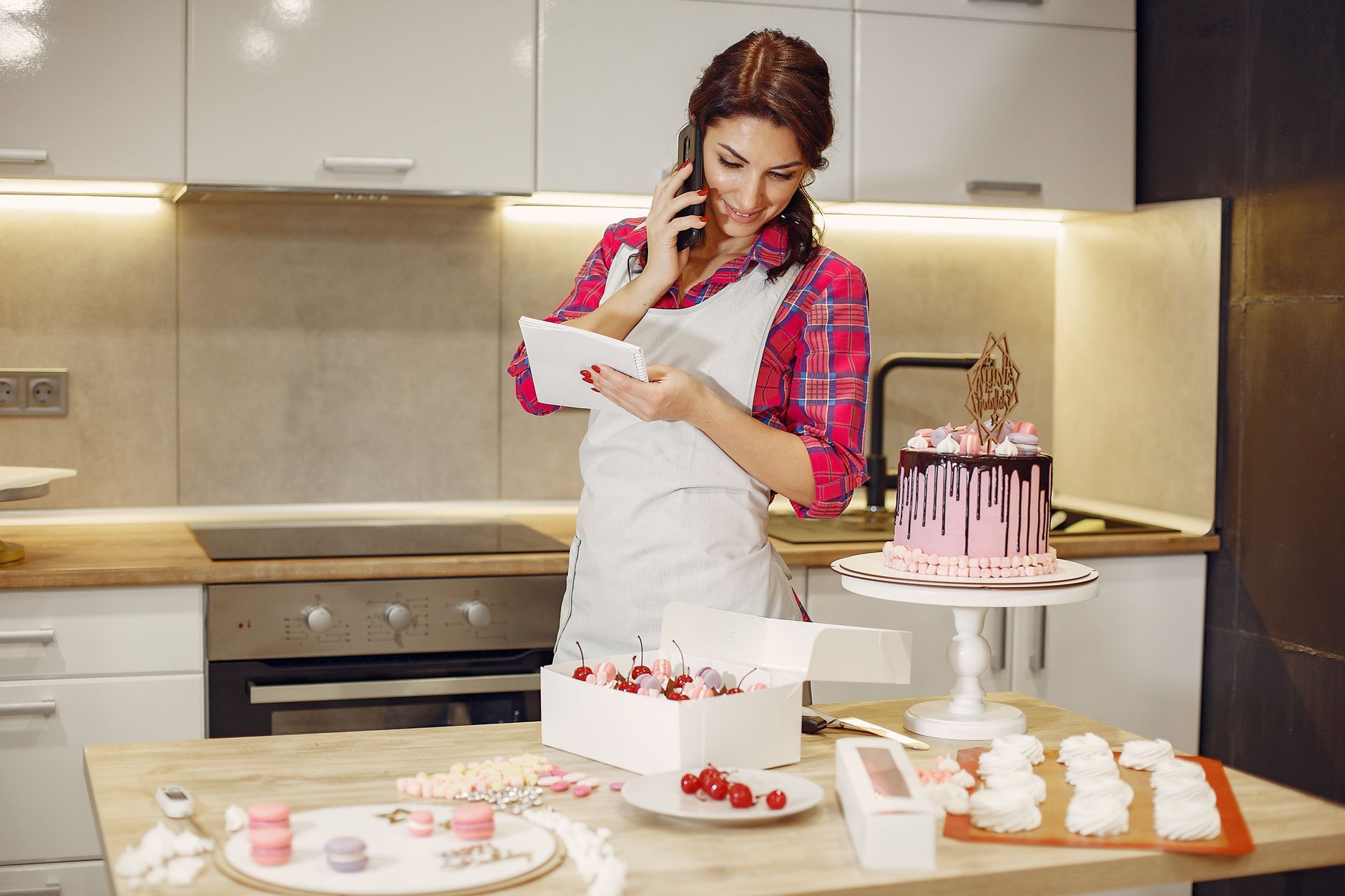
Last month, a baker in Montgomery told me she'd been selling sourdough to neighbors for three years before realizing there was actually a legal way to do it. She wasn't breaking any laws—she just didn't know Alabama had a cottage food operation license. That's the situation a lot of home bakers find themselves in. Good news: Alabama's system is actually pretty straightforward once you know the rules.
What Alabama's Cottage Food Law Actually Allows
Alabama recognizes what they call a "Cottage Food Operation," and it's broader than some states. You can make certain foods in your home kitchen without commercial certification. But here's the thing—not everything qualifies.
The foods you can make from home include:
- Baked goods (breads, cookies, cakes, pastries)
- Jams, jellies, and preserves
- Dried goods (granola, trail mix, dried herbs)
- Certain candy and confections
- Non-potentially-hazardous foods (things that don't need refrigeration)
You cannot make anything that requires refrigeration, like buttercream, cream cheese frosting, custards, or anything with meat, dairy, or eggs as the main ingredient. If it needs to stay cold, it's off-limits from your home kitchen.
The rule is basically this: if the food is "non-potentially hazardous," meaning it won't spoil and cause illness if left at room temperature, you're usually good. But always verify with the Alabama Department of Agriculture and Industries before you start. Rules shift, and you don't want to get halfway into a business only to find out your signature recipe isn't legal.
Getting Your License
Here's where it gets real simple compared to a full commercial kitchen. You don't need to build out a separate facility. You just need to:
- Apply for a Cottage Food Operation license through the Alabama Department of Agriculture and Industries
- Pay the associated fee (check their website for current pricing—it's modest, usually under $200)
- Have your home kitchen inspected, or in some cases, provide photos and documentation
- Keep detailed records of what you make and sell
The inspection isn't as rigorous as a commercial kitchen inspection. They're mainly checking that you have a functional kitchen, running water, and basic sanitation. If you already cook dinner in your kitchen, you probably have what you need. They're not asking you to install stainless steel or tile everything. Keep it clean, keep it organized, and you'll be fine.
One thing: labeling matters. Every single product you sell needs a label with your business name, the product name, a list of ingredients, the date it was made, and your contact information. Some people get sloppy here and it comes back to bite them. Print them off or write them clearly. No exceptions.
Where and How You Can Sell
This is where people get confused. Your options are real but specific.
You can sell:
- Directly to customers (farmers markets, craft fairs, at your home)
- Online with local pickup or delivery in Alabama
- To friends and family (no restrictions)
What you cannot do: sell to restaurants, grocery stores, or ship across state lines. Those are federal licensing requirements. You're local only. That actually works out fine for most home bakers—your customers are your neighbors, people who know you, who trust you.
The direct-to-consumer piece is huge. Farmers markets in Alabama are thriving right now, and honestly, they're one of the best places to start. You get foot traffic, repeat customers, and you can test new products. Plus, you get real feedback face-to-face, which is worth more than you'd think.
The Money Side: What It Costs to Start
The upfront costs are surprisingly low if you're starting with a home kitchen you already have.
- Cottage Food Operation license: $100–$200
- Labels (1000+ printed): $30–$75 depending on design and printer
- Packaging (boxes, bags, containers): $50–$200 depending on volume
- Ingredients and supplies: varies wildly, but maybe $100 to start
If you're baking bread or cookies, you might already have flour, sugar, and butter at home. Your actual cash-out-of-pocket might be just the license and some nice labels. That's the beauty of a cottage food operation—you're not financing a commercial kitchen.
Pricing is up to you, but remember: you're paying for ingredients, packaging, time, and that license. Don't undersell yourself just to move product. A homemade loaf of sourdough can easily sell for $8–$12 depending on your market and quality. Cookies? $1–$2 each. Jam? $6–$10 a jar. Look at what's selling near you and price accordingly.
Getting Found (And Getting Started)
Once you're licensed and ready, people need to know you exist. Talk to farmers market managers about booth space. Start an Instagram account. Tell your neighbors. Word of mouth is powerful—seriously, it accounts for most of my early sales.
You can also list your business free on Find Homemade, a directory where cottage food makers get discovered by customers looking for local makers in their area. It's where a lot of people search when they want to buy straight from home bakers.
The real step first though: contact the Alabama Department of Agriculture and Industries directly. Get the current application, ask your specific questions about your specific products, and confirm everything before you invest time and money. Laws do change, and you want accurate info from the source, not second-hand advice.
Starting a cottage food business in Alabama is real and doable. You've got the law on your side, you've got low startup costs, and you've got customers out there looking for what you make. Get licensed, make great food, and show up.